
Nebraska has one of the most progressive and prosperous agricultural industries in the world thanks to plentiful natural resources, the ingenuity and hard work of our farmers and the research leadership of the University of Nebraska. In 2010, the Robert B. Daugherty Foundation selected NU to harness this well-rounded combination for a new institute focused on ensuring water and food security for our growing world.
The Daugherty Water for Food Global Institute amplifies leadership of the Nebraska Water Center (NWC) and Water Sciences Lab (WSL) to benefit Nebraskans. From water quality research to developing new farming software, projects of the institute and its partners throughout the state are dedicated to maintaining Nebraska’s position as a national and global leader in effective water management for sustainable agricultural production.

DAWN Project testing its decision-support tools with corn and soybean growers
The Dashboard for Agricultural Water Use and Nutrient Management (DAWN) project aims to support farmers in translating seasonal climate predictions.
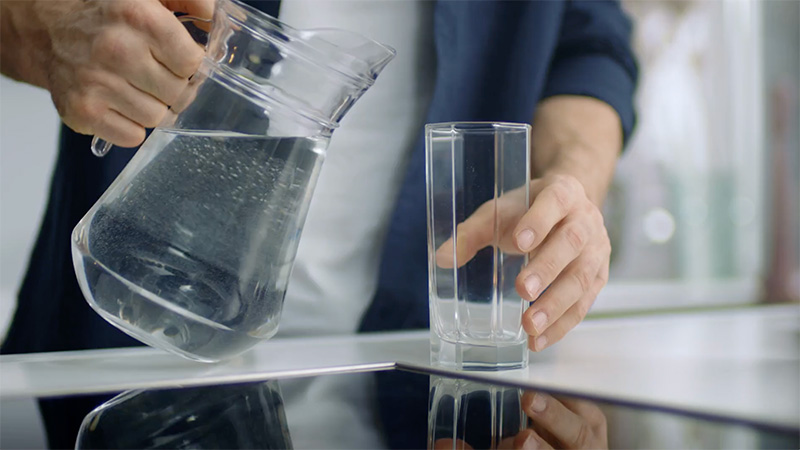
Water Center director helps City of Lincoln find second water source
The City of Lincoln, Nebraska — home to both DWFI and the Nebraska Water Center (NWC) — is projecting population growth that will exceed its current water system.
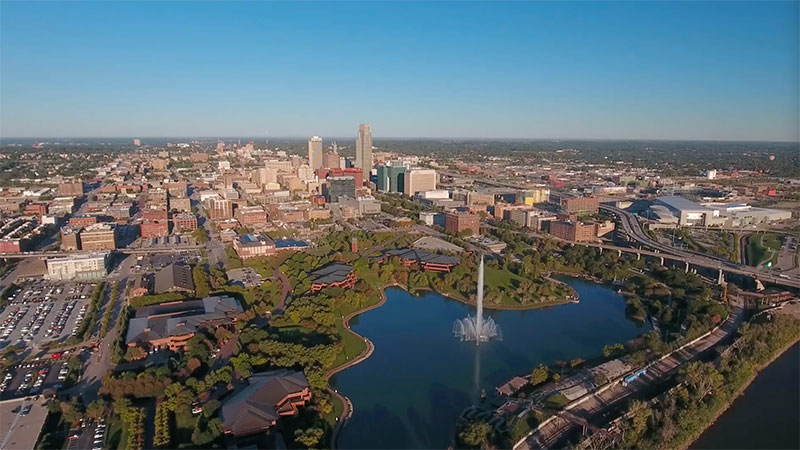
Water, Climate and Health program makes an impact in Nebraska
The Water, Climate and Health Program brings together experts from UNMC, DWFI and the Institute of Agriculture and Natural Resources at the University of Nebraska to address Nebraska’s most pressing public health issues related to water and climate.
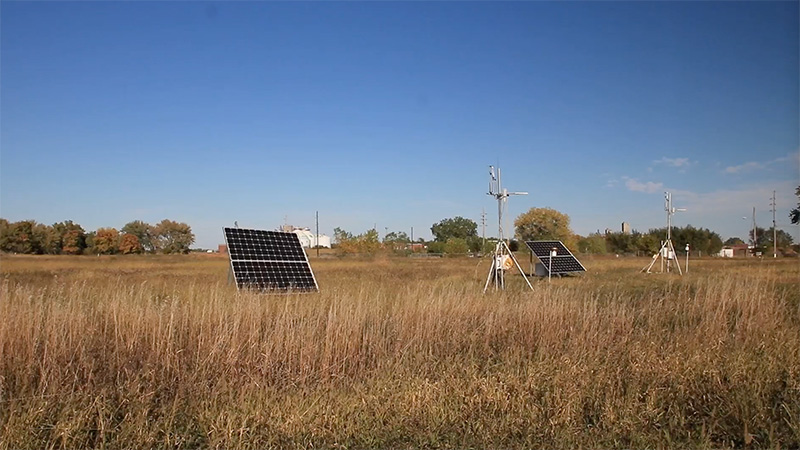
DWFI's flux tower network now helps validate carbon credits
Demand is rising for carbon credits in fast-growing carbon markets.
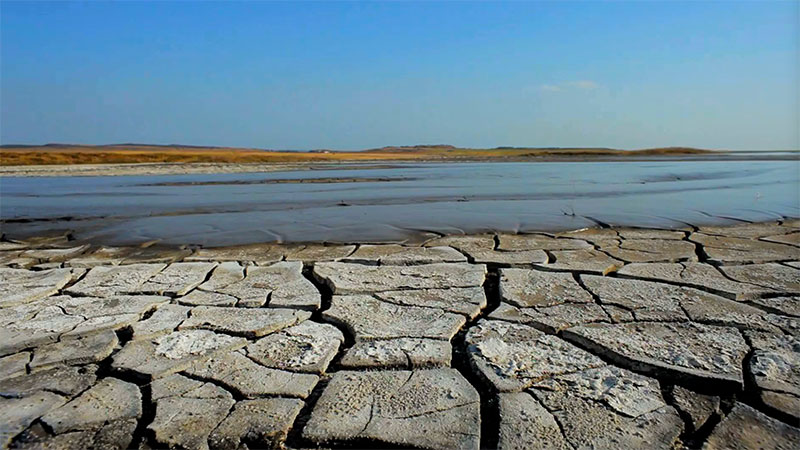
Understanding climate’s effect on the health of Americans
The Water, Climate and Health Program brings together experts from UNMC, DWFI and the Institute of Agriculture and Natural Resources at the University of Nebraska to address Nebraska’s most pressing public health issues related to water and climate.
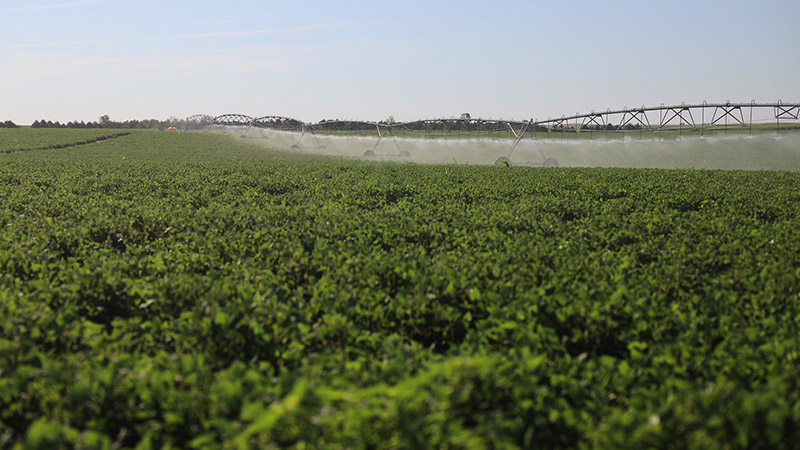
Groundwater transfer success stories guide water managers in meeting local water needs
Groundwater transfer mechanisms are a flexible agricultural water management approach that can help lower growers’ production risks without jeopardizing environmental needs.
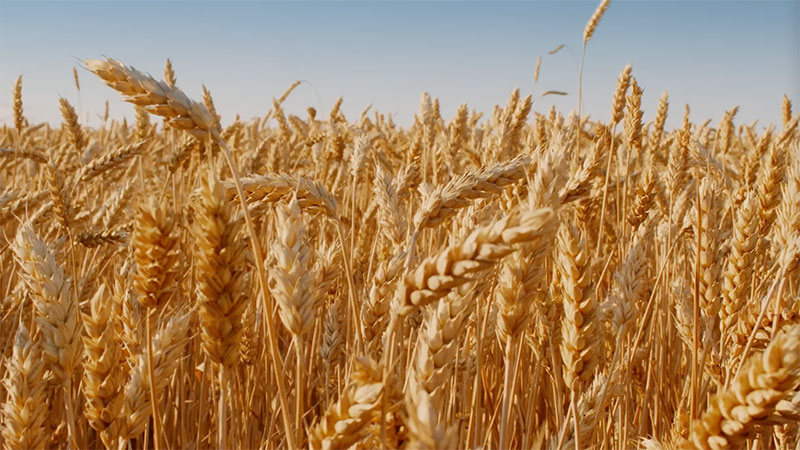
Advancements in crop modeling help adapt to climate change
A Nebraska Water Center (NWC) research team is making several advancements in crop modeling.