
1) What a Nitrates?
Nitrate is a naturally occurring compound that, when found in drinking water above the federal limit of 10 mg/L, poses serious health risks including blue baby syndrome in infants and potential cancer risks with long-term exposure
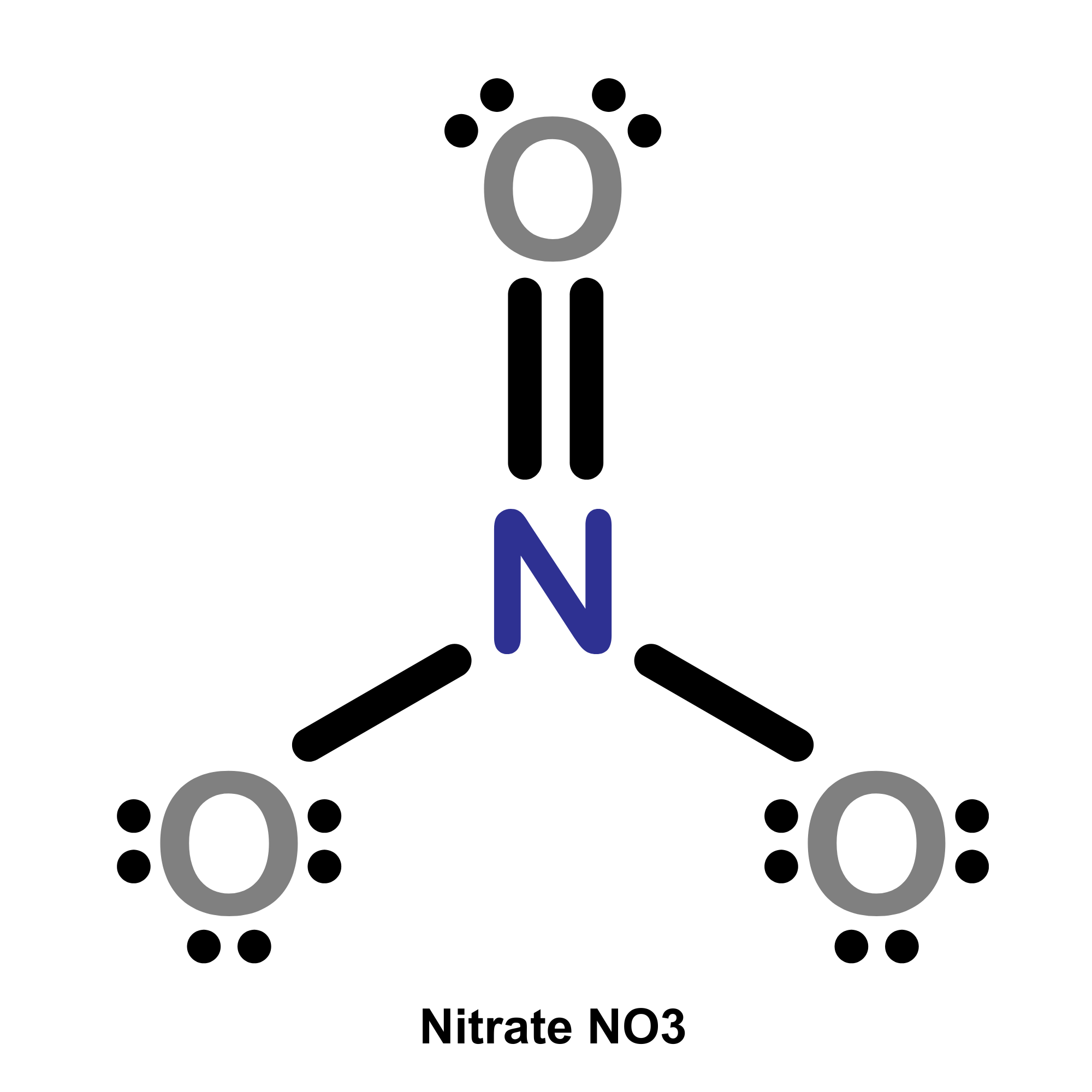
Nitrate – Nitrate (NO3) is a compound of nitrogen and oxygen naturally found in air, soil, water, and some food. Nitrate is also used as fertilizers for crops and lawns, as well as in certain preservatives, medications, and munitions and explosives. While certain levels of nitrate are necessary for plant, animal, and human survival and growth, excess nitrate contamination can be harmful to human health. (1)
Recommended Reading:
Review the following resources to learn more about nitrate and nitrate contamination in drinking water in Nebraska:
- https://dwee.nebraska.gov/sites/default/files/publications/Nitrate%20in%20Drinking%20Water%20Study%20Executive%20Summary.pdf
- https://dwee.nebraska.gov/sites/default/files/publications/Nitrate%20in%20Drinking%20Water%20Study%20Final%20Report.pdf
2) Environmental Pathways: How Does Nitrate Get into Our Drinking Water?
Excess nitrogen from fertilizer, septic systems, and livestock operations combines with oxygen in soil and water to form nitrate, which can take anywhere from one to over fifty years to reach groundwater and then persist there for decades.
Recommended Reading:
- https://dwee.nebraska.gov/sites/default/files/publications/Back%20to%20Basics%20-%20Nitrate%20in%20Groundwater%20%28Poster%29.pdf
- Stable Isotopes of Oxygen and Nitrogen in Source Identification of Nitrate from Septic Systems
- Nitrate in deep soil profiles in relation to fertilizer rates and leaching volume
3) Drinking Water: Public Vs. Private Wells
While public water systems are legally required to monitor nitrate and notify customers within 24 hours of a violation, private domestic wells which supply drinking water to nearly one in five Nebraskans have no such testing requirement, and an estimated 17% currently exceeds the federal standard.
Recommended Reading:
- https://dwee.nebraska.gov/sites/default/files/publications/Public%20Water%20Systems%20and%20Nitrate%20%28Poster%29.pdf
- Trends in nitrate contamination: implications for communities reliant on groundwater for drinking
- A state-by-state comparison of policies that protect private well users
- Nitrate exposure from drinking water and dietary sources among Iowa farmers using private wells
4) Water Quality at Large in Nebraska: Where Do We Get our Drinking Water and Where is At Most Risk?
Nitrate contamination exceeding the 10 mg/L federal limit is predicted primarily in the High Plains and northern Midwest, with Nebraska wells showing rising nitrate concentrations in every decade since the 1930s, particularly in shallow, sandy soil areas.
Surface Water and Ground Water
- Nebraska’s Water Sources
- National Map of At Risk Areas of Nitrate
- Prediction Concentrations of Nitrate in Groundwater
5) Land Use: What is Driving Nitrate Contamination?
Most nitrate in Nebraska groundwater with elevated concentrations originates from commercial nitrogen fertilizer overapplication, with over irrigation further accelerating leaching into the state's aquifers.
- Nebraska Water Facts
- Ferguson 2025
- Scanion 2012
6) A Network of Care: Who Is Responsible for our Water in Nebraska?
Addressing nitrates in Nebraska's drinking water requires coordination across a wide network including NDEE, NRDs, NDNR, UNMC, Nebraska Extension, licensed well drillers, and well owners themselves, each playing a distinct role in monitoring, regulation, education, and remediation.