

Author: Saleh Taghvaeian, Associate Professor, University of Nebraska-Lincoln, and Brach Johnson, Urban Conservationist, USDA-NRCS
Food insecurity is a critical issue in Nebraska, affecting thousands of individuals and families despite the state’s strong agricultural role. In 2018, approximately 12% of the state’s population faced food insecurity, including nearly 80,000 children. This problem spans both urban and rural communities, with some counties experiencing child food insecurity rates as high as 27%. While poverty is a key factor, food insecurity cuts across a broad range of socioeconomic backgrounds. Vulnerable populations, including children, seniors, and those in low-wage or unstable jobs, are especially at risk. The consequences are serious: children without consistent access to nutritious food often face developmental, academic, and behavioral challenges, while seniors suffer worsened chronic health conditions and higher healthcare costs.
Amid growing concerns over U.S. food insecurity, the number of farms in the US continues to drop, particularly smaller farms. Yet, small-scale agriculture presents a promising, community-centered approach to help alleviate food insecurity. These farms produce locally grown foods that are often more accessible, more affordable, and fresher than food shipped from far away. They help close critical gaps in “food deserts,” especially in rural areas where grocery stores are closing up shop.
Additionally, small-scale farms tend to grow a greater variety of crops, which improves dietary diversity and supports better health outcomes. Small farms also contribute to local economies by creating jobs and generating income, which in turn contributes to better health outcomes. Many small producers reinvest in their communities, building resilience and reducing poverty, two root causes of food insecurity.
Despite its potential, small-scale agriculture is often overlooked and undervalued due to persistent myths. The old economics mantra that ‘small is stupid’ does not apply when we consider the links between irrigated agriculture and nutritional security. Here, we address two of the most common myths that block small farms from contributing to better health.
Myth 1: Small-scale agriculture doesn’t need engineering support.
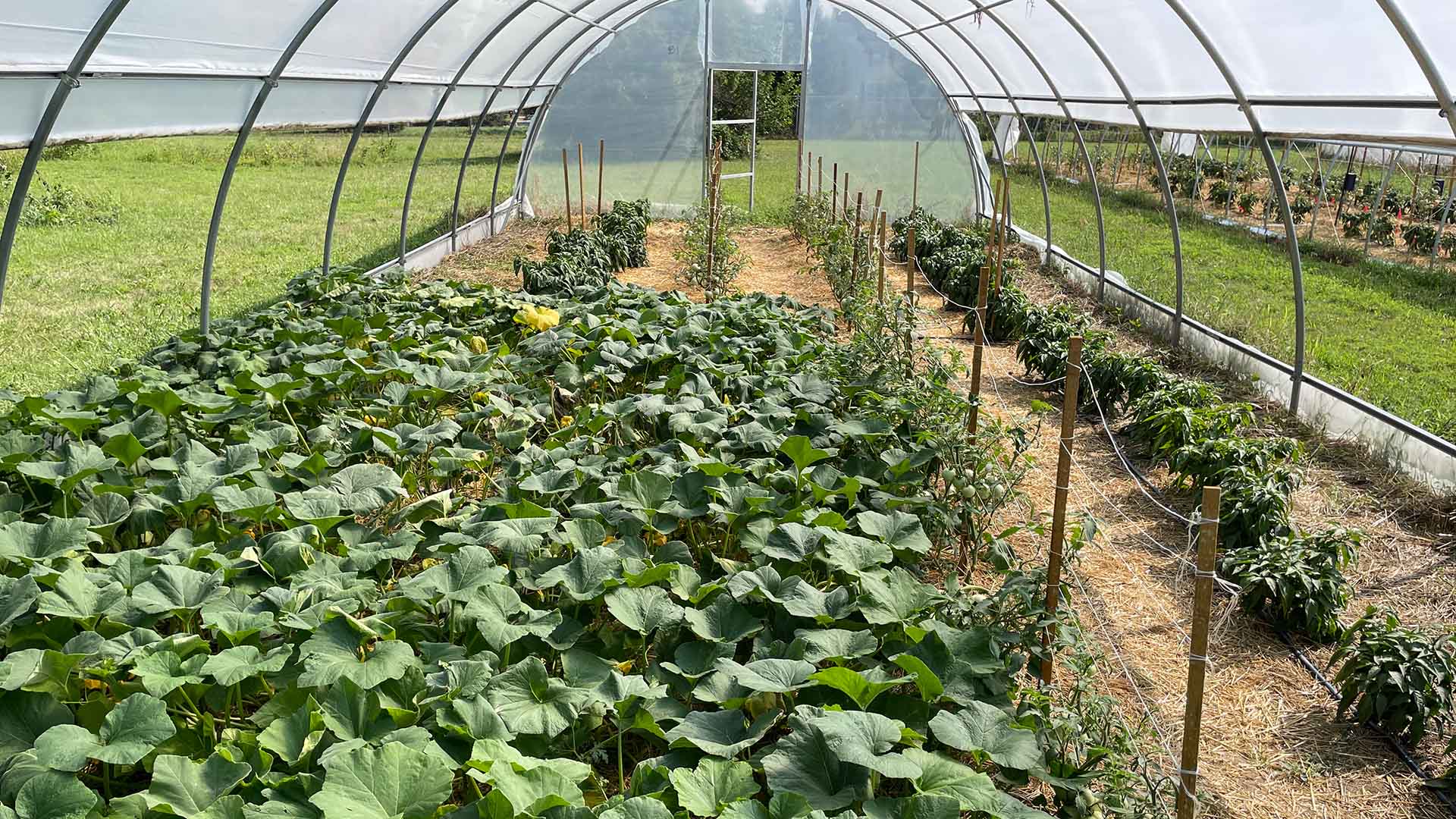
Reality: It absolutely does! And a prime example is irrigation. Most technical resources for irrigated production focus on the large-scale, offering little guidance for small farms with unique needs. Small-scale irrigation requires different filtration, control, and water application methods. Available irrigation components vary widely in cost and quality. Producers—who typically lack specialized knowledge in irrigation and have limited access to expert consultants—face difficulty selecting and managing system components.
Inappropriate system design and operation can have serious consequences. For instance, we have visited small-scale vegetable farms in Nebraska with high potential to fill an urgent gap in food deserts. However, incorrect irrigation system components were installed. The emitters did not shut off after irrigation events, leading to overwatering, as well as increased cost to the farmers. Additionally, this overwatering resulted in a large volume of drainage water that contained fertilizers and pesticides and was discharged into a well, contaminating the local water source. Proper guidance and engineering support is essential to avoid the risks and contribute to intended healthy outcomes.
Myth 2: Small farmers only grow enough to feed themselves.
Reality: That’s a misconception. Small farms can and do produce significant amounts of food, especially when they receive technical and community support. A clear example comes from Omaha’s Vacant Lots & Urban Gardens Program. This initiative makes City-owned lots available for community gardening and small-scale food production, transforming unused spaces into thriving sources of fresh produce. One such formerly vacant lot, measuring just 80 by 120 feet (around 900 square meters), produced about 5,000 pounds of vegetables, equivalent to over 25 tons per hectare. This is comparable to and even better than many large-scale producers. Remarkably, this production occurred with limited access to water, which gardeners obtained from a nearby house.
Most of these lots are located in North Omaha, an area where access to affordable, nutritious food is often limited. Gardens commonly grow high-yield vegetables such as tomatoes, peppers, greens, squash, and cucumbers, rotating crops multiple times per year to sustain soil health and maximize output. The produce often goes directly to participating families, neighborhood markets, and local food banks, providing fresh food where it’s needed most.
These success stories highlight what’s possible when small-scale producers have access to the right knowledge, infrastructure, and community partnerships. Yet, for such systems to thrive and expand, they also need sound technical solutions, especially in water management. Providing appropriate technical innovation, design expertise, and policy attention enables small-scale agriculture to reach its full potential in building resilient, food-secure communities.
About the series:
This blog is part of DWFI’s Smallholder Farming Mythbuster Series, which examines the narratives that too often shape how small-scale irrigation is funded, regulated, and supported. Drawing on research, field experience, and insights, the series addresses widely held assumptions about smallholder farmers, technology, cost, labor, and water use. By challenging outdated ideas and surfacing real-world data, the series aims to support smarter policy and investment, and better outcomes for the millions of farmers who depend on irrigation to secure their livelihoods and feed their communities.